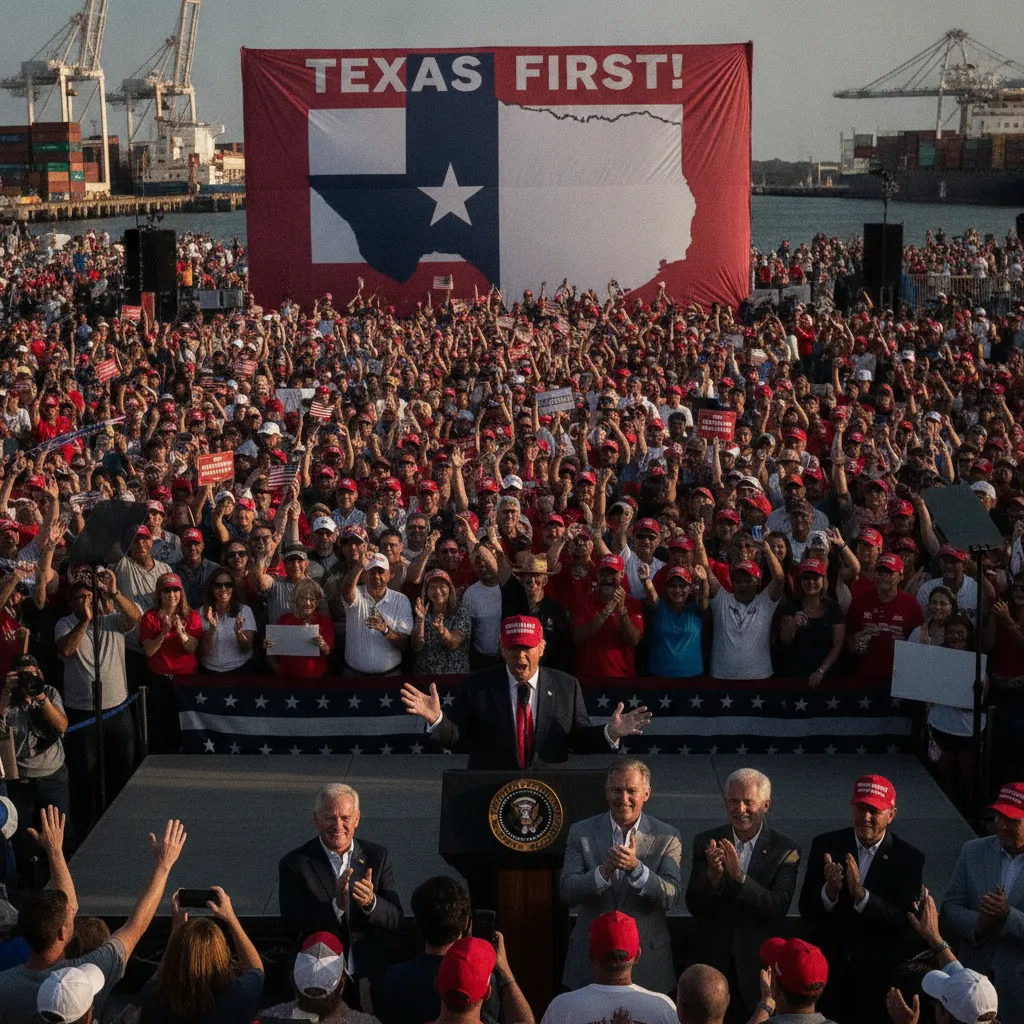
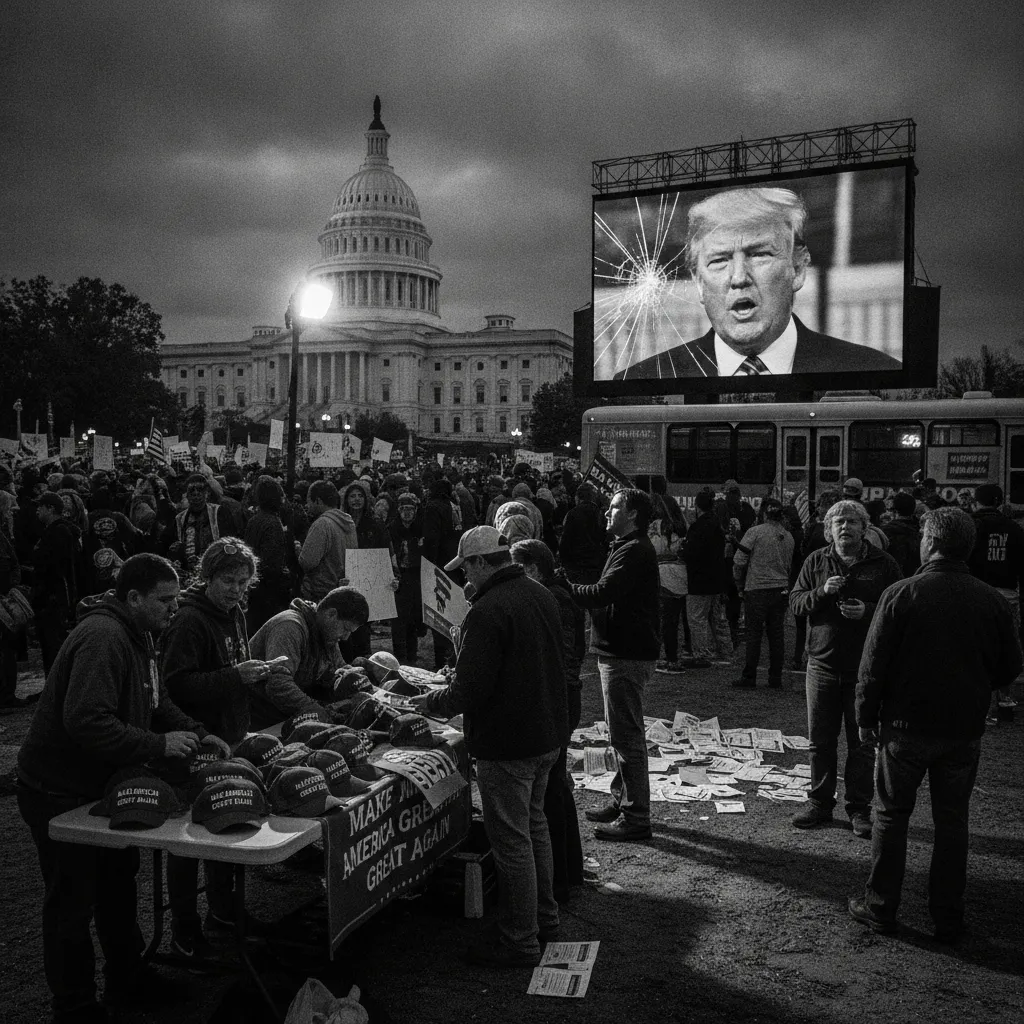
With just one week remaining until the midterms, the political atmosphere surrounding President Donald Trump is growing increasingly suffocating. While pundits are buzzing about a potential Democratic wave that could strip Republicans of their grip on Washington, the actual outcome remains shrouded in volatility. Millions of ballots have already been cast, yet the final verdict depends on a chaotic mix of redrawn districts and massive injections of outside capital, including significant funding from Elon Musk. Despite the noise, the overarching narrative suggests a classic midterm rebuke for a sitting president whose promises to lower the cost of living have failed to materialize for many Americans.
For the GOP, the warning signs are flashing in places they once considered safe. In a telling shift, Trump has spent much of his recent campaign blitz reinforcing deep red territory rather than expanding his reach. A recent stop in Mississippi highlighted this anxiety, as the president felt compelled to personally bolster Senator Cindy Hyde-Smith against an unexpectedly fierce challenge. This defensive posture indicates that Republicans are bracing for impact, while the administration’s preemptive legal moves in states like Alaska and California suggest they are already preparing for contested results.
Adding to the pressure is an economy that feels hostile to the average voter. As gas prices climb and grocery bills soar, Trump continues to insist that the nation is experiencing a golden age—a claim that rings hollow to families struggling with inflation. Rather than addressing these kitchen table issues with empathy, the president has frequently detoured into bizarre personal grievances and eccentric commentary during his rallies, further alienating moderate voters who feel disconnected from his priorities.
While Democrats appear positioned to reclaim the House, victory is not guaranteed due to years of strategic gerrymandering that leaves only a handful of seats truly competitive. The battle for the Senate is even tighter, resembling a series of coin flips across ten key races where small shifts in turnout could determine everything. If Democrats manage to flip traditionally Republican strongholds like Ohio or North Carolina, it would signal a genuine rout; otherwise, Washington may simply trade one form of dysfunction for another as legislative gridlock looms over the next two years.