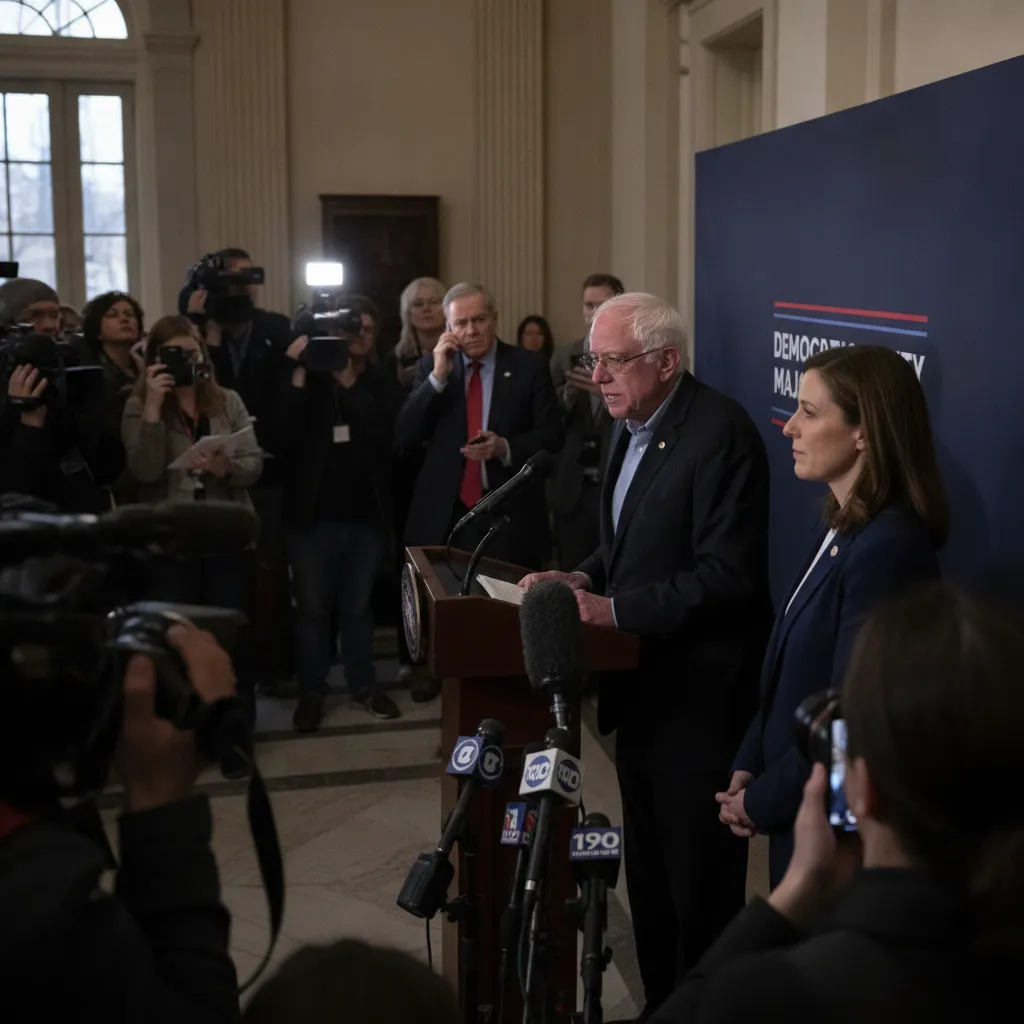
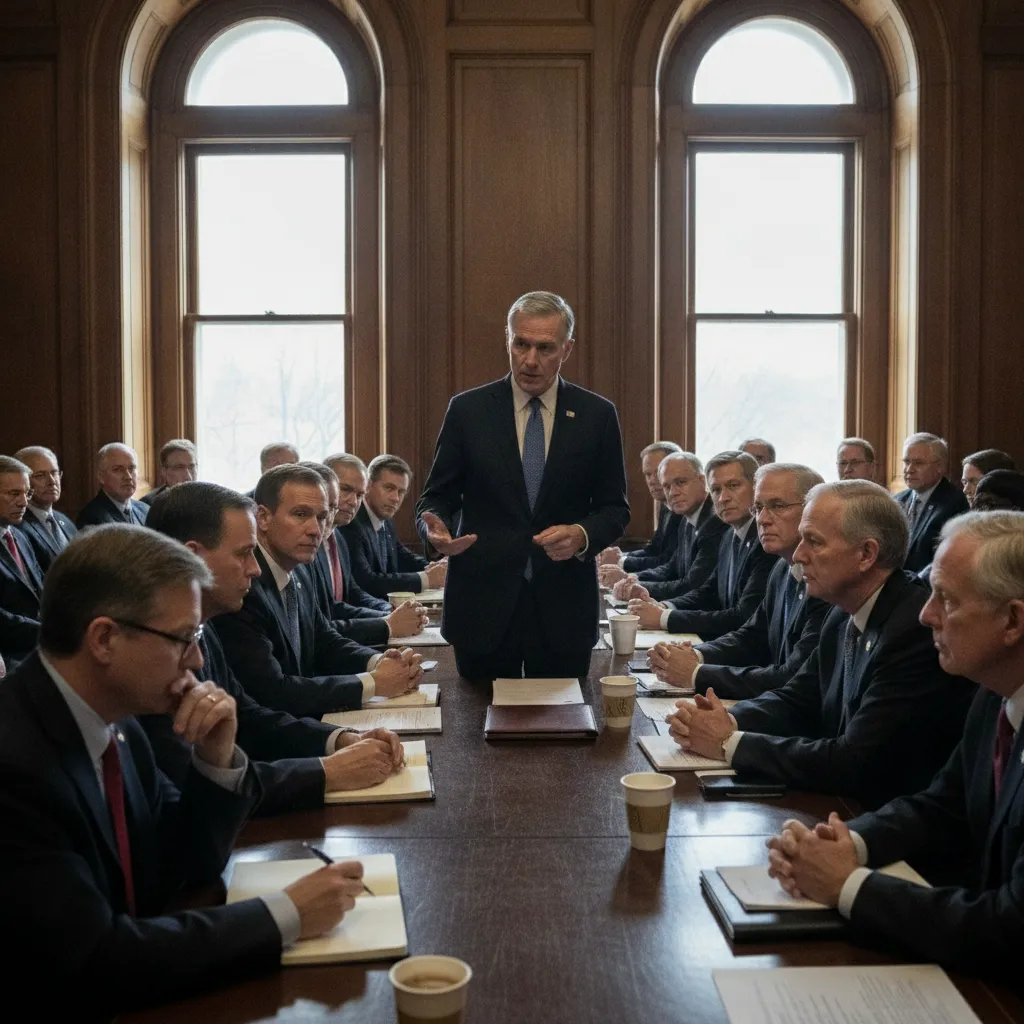
Senate Republicans gathered Tuesday for a series of high stakes meetings intended to determine the future of their party following a devastating performance in the midterm elections. With the loss of their majority and several key seats, members are grappling with whether to maintain the current leadership under Senator John Thune or pivot toward a new direction entirely. While Thune is widely expected to be reelected because he lacks an opponent and maintains strong ties with his peers, some senators argue that proceeding as usual after such a significant electoral defeat would be a mistake.
Senator Ron Johnson led the call for caution, circulating a letter requesting that the secret ballot leadership elections be delayed. He argued that the party needs period of genuine soul searching rather than simply rushing back into old habits. This sentiment was echoed by Senator Josh Hawley, who described the election results as a clear repudiation of the congressional focus over the last two years, specifically pointing to policies regarding Medicaid and rural healthcare that may have alienated voters. Other members suggested waiting until final race calls in Alaska and Mississippi are settled before finalizing who will lead them into the next session.
Despite these internal tensions, Thune remains in a relatively strong position thanks to his ability to balance party loyalty with personal diplomacy. Unlike his predecessor Mitch McConnell, Thune has focused on building broad consensus within the rank and file while maintaining a functional relationship with President Donald Trump. Although Trump has occasionally clashed with Thune over efforts to preserve certain Senate rules like the filibuster, the president recently referred to him as a fine man, leaving the ultimate decision to the senators themselves.
As these internal power struggles unfold behind closed doors, the Senate continues its public legislative agenda. Lawmakers are currently weighing critical bills concerning survivor justice and energy permitting, attempting to find bipartisan common ground before the new Congress takes office in January. For Republicans, the immediate goal is twofold: confirming as many presidential nominees as possible while figuring out how to effectively operate from the minority side of the aisle.