The artificial intelligence investment landscape experienced a massive shock as Ken Griffin’s Citadel LLC stepped in to acquire the bulk of the public equities portfolio of Situational Awareness. The high-profile AI-focused hedge fund, led by former OpenAI researcher Leopold Aschenbrenner, was forced to rapidly unwind its public positions following severe market corrections. This transaction has generated immense discussion across Wall Street regarding the underlying drivers of the sale, the consequences of excessive leverage, and the strategic positioning of major market makers.
With Situational Awareness AI deal, Citadel’s Griffin rides to the rescue again https://t.co/gmQwAE4wnC https://t.co/gmQwAE4wnC
— Reuters (@Reuters) August 1, 2026
The Catalyst: The AI Stock Selloff and Forced Unwinding
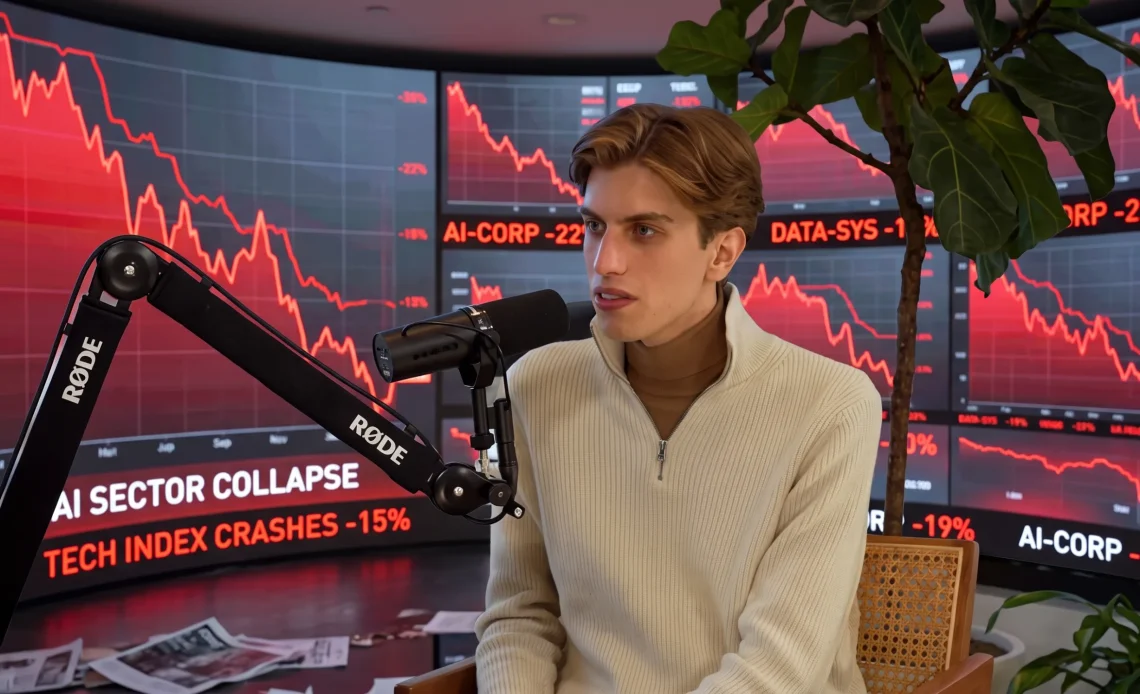
The primary reason behind Citadel’s acquisition stems from a brutal July market correction that battered high-flying technology and semiconductor equities. Situational Awareness had built a heavily concentrated portfolio focused heavily on AI infrastructure, memory chips, and computing suppliers. Prominent holdings—including SK Hynix, Sandisk, CoreWeave, Nebius Group, and Bloom Energy—suffered double-digit percentage drops as investors grew increasingly skeptical about whether massive capital expenditures in artificial intelligence would translate into immediate near-term revenues.
Citadel reportedly bought most of Situational Awareness’s stock portfolio after the forced unwind.
So it was warning that the Fed could hike in July while preparing to buy the AI stocks that narrative was helping crush 🤔 https://t.co/IApBu2qc7Q pic.twitter.com/Kl2cldAJRe
— Shay Boloor (@StockSavvyShay) July 30, 2026
These steep declines were catastrophically amplified by leverage. Reports indicated that Situational Awareness operated with leverage ratios reaching up to four times its own capital. As public asset values plunged by roughly 67% during July, prime brokers such as Goldman Sachs, JPMorgan Chase, and Bank of America issued mounting margin calls. Caught in a vicious cycle where falling prices triggered forced liquidations, the fund faced an urgent choice: raise fresh capital immediately or offload its entire public stock book.
Strategic Rescue and Prime Broker Involvement
Faced with mounting liquidity pressures, Aschenbrenner’s fund attempted to secure alternative avenues, including exploring a partial sale of private holdings such as its stake in Anthropic. However, those deals fell through, leaving the fund in need of a massive, immediate buyer capable of absorbing billions in distressed risk.
Prime brokers actively facilitated discussions to orderly unwind the exposure and prevent broader market contagion. Citadel assembled its top quantitative researchers, legal teams, and leadership—including Griffin and co-Chief Investment Officer Pablo Salame—to analyze the trading book overnight. Recognizing a classic dislocation event, Citadel moved with lightning speed to acquire the leveraged public book at a reported discount. Other major players like Millennium Management and Jane Street Group also evaluated the portfolio, but Citadel ultimately secured the transaction.
Market Reactions and Historical Parallels
The swift rescue operation drew sharp commentary across the financial community. Investor Ross Gerber highlighted the hazards of aggressive borrowing, bluntly noting on social media that excessive leverage can quickly ruin a fund, while praising the opportunity for well-capitalized entities to acquire quality assets at bargain prices. Meanwhile, analysts like Futurum Equities’ Shay Boloor questioned the broader macroeconomic timeline, pointing to how shifting market expectations—including recent discourse around Federal Reserve rate decisions—interacted with the liquidity crunch.
XRP Price Surges After Federal Reserve September Cut as Jerome Powell Signals More Easing Ahead
Industry observers took to social platform X to dissect the rapid sequence of events:
THIS HAS TO BE THE STORY OF 2026
Ken Griffin’s Citadel was pushing surprise-rate-hike fears just days before the AI trade collapsed and forced 4x-levered Leopold Aschenbrenner’s Situational Awareness to unload its book near the lows.
Citadel then reportedly bought most of those… https://t.co/g1htbNOdoY pic.twitter.com/1FL6KUzEAf
— Shay Boloor (@StockSavvyShay) July 30, 2026
For Ken Griffin, acquiring distressed portfolios during systemic market stress represents a decades-old playbook. Similar to historical interventions during the Enron collapse, the Amaranth Advisors natural gas meltdown, Sowood Capital’s 2007 unwinding, and the 2021 Melvin Capital volatility, Citadel utilized its deep capital reserves and rapid risk-assessment framework to capitalize on forced selling.
The Aftermath for Situational Awareness
Following the transaction, Situational Awareness saw its total assets under management drop from a peak of around $45 billion down to roughly $10 billion. Despite the complete exit from its leveraged public equities book, the fund retains its substantial private investments—anchored primarily by its multi-billion-dollar stake in AI pioneer Anthropic.
For Citadel, the transaction delivered an immediate windfall, supercharging its flagship Wellington fund and equity strategies as the acquired AI stocks experienced a market rebound almost immediately after the fire sale concluded. The event serves as a stark reminder of the fine line between visionary technological forecasting and the unforgiving mechanics of public market liquidity.
Citadel’s hedge funds posted sharp gains in July after Ken Griffin’s firm bought a distressed slice of rival Situational Awareness, a bet that paid off as AI stocks rebounded. The flagship Wellington fund rose 5.9 percent in July and is up about 12 percent for the year. Citadel’s… pic.twitter.com/WQTuyxLXPp
— AFRICA IS HOME GLOBAL (@AfricaisHOME2) August 6, 2026
Frequently Asked Questions (FAQ)
- Who is Leopold Aschenbrenner?
Leopold Aschenbrenner is a former OpenAI researcher and the founder of the AI-focused hedge fund Situational Awareness. He gained prominent attention in Silicon Valley after publishing a viral 2024 essay on artificial general intelligence.
- Why was Situational Awareness forced to sell its portfolio?
The fund suffered steep losses during a July market correction in AI infrastructure and semiconductor stocks. Amplified by roughly 4x leverage, these losses triggered severe margin calls from prime brokers like Goldman Sachs, JPMorgan, and Bank of America, forcing an emergency liquidation.
- What did Citadel actually buy?
Ken Griffin’s Citadel acquired the bulk of Situational Awareness’s leveraged public equities book—valued at around $16 billion—at a discount.
- Did Situational Awareness lose all of its assets?
No. While its public equity portfolio was sold and total assets under management declined from a peak of $45 billion down to roughly $10 billion, the fund retained its substantial private investments, including its major stake in Anthropic.